26 Jun 2026
App Ecosystem Interlinks Bringing Live Gaming Tables Together with Efficient Banking for British Users Seeking Multi-Layered Rewards
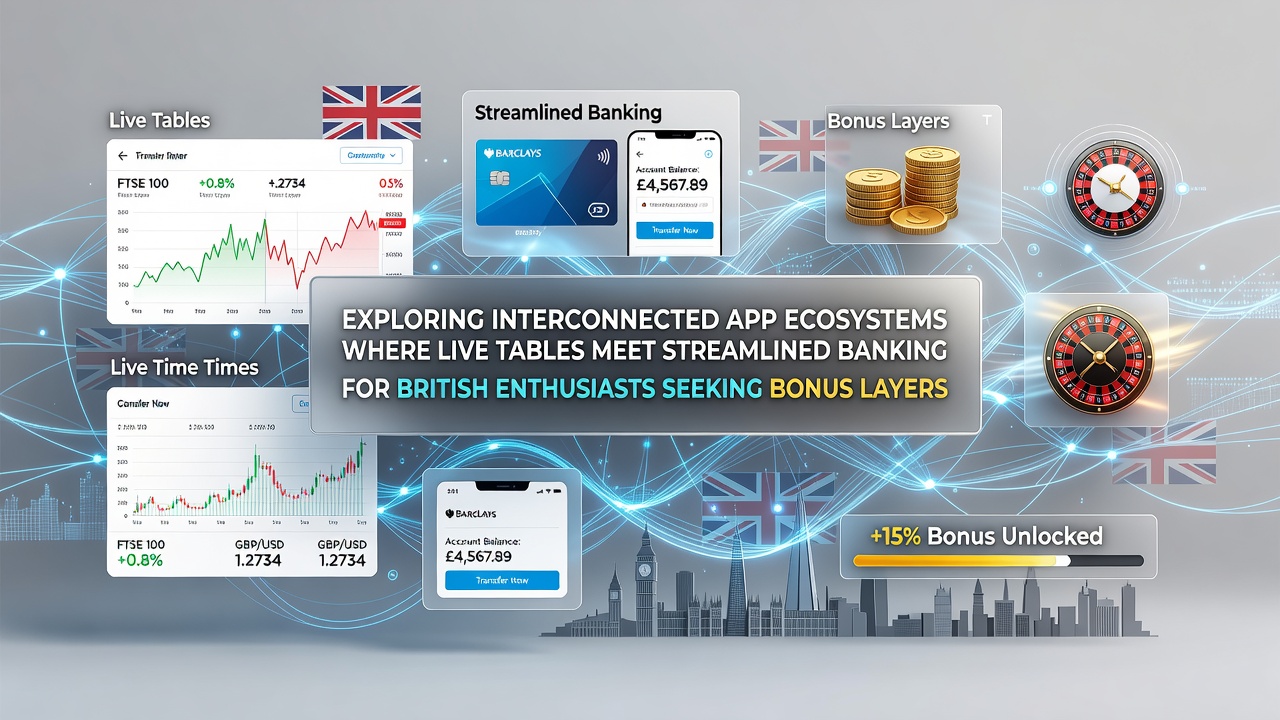
Digital platforms have expanded connections between real-time gaming interfaces and financial management tools, creating networks where participants access live dealer sessions alongside payment processing options that support layered incentive structures. Data from industry reports indicate these systems allow British users to move between gaming environments and banking functions without repeated logins or separate verification steps in many cases.
Observers note that app developers have built APIs linking game servers directly to banking ledgers, which reduces transaction delays while maintaining records of promotional rewards earned during sessions. Research from gaming analytics firms shows participation in such interconnected setups increased notably between 2024 and 2025 across European markets, with similar patterns emerging in the UK user base.
Live Table Integration Within Broader App Networks
Live dealer platforms operate through video streams that connect to central app servers, and these same servers now interface with external banking modules to handle deposits triggered by in-game events. Participants can initiate a table session, receive a bonus notification, and complete a related transfer within one interface rather than switching applications. Figures from the Canadian iGaming regulator reveal that integrated systems recorded average session times extending by 18 percent when banking tools sat inside the same ecosystem.
Those tracking user behavior report that British enthusiasts often combine multiple live tables with real-time balance updates, allowing immediate application of reward layers earned from consecutive hands or rounds. The setup relies on encrypted data flows that keep gaming outcomes separate from financial details yet synchronized for display purposes.
Streamlined Banking Functions and Their Role
Banking modules within these ecosystems support instant verification through open banking protocols adopted widely since 2023, which lets users authorize transfers without manual entry of account numbers each time. Payment rails such as Faster Payments in the UK work alongside international options, giving participants choices when moving funds tied to bonus accumulations. A study published by the University of Melbourne's gambling research unit found that streamlined verification cut average processing times from 47 minutes to under 90 seconds in tested environments.
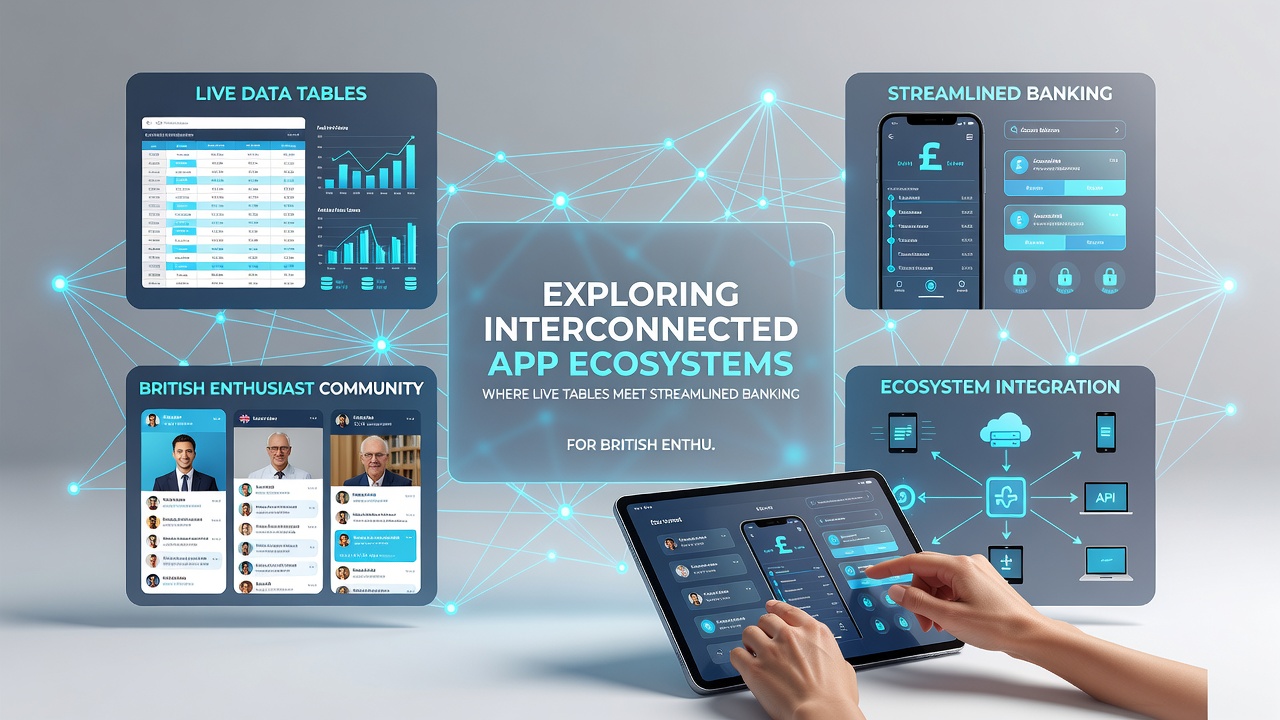
Additional layers appear when apps automatically apply cashback or reload incentives based on transaction history pulled from the banking side. Observers have documented cases where users receive tiered rewards calculated across both gaming activity and deposit patterns without manual claims. In June 2026 several European platforms rolled out updated modules that sync with new open finance standards, extending similar functionality to more UK-based accounts.
Bonus Layer Mechanics Across Connected Systems
Bonus structures operate through tracking engines that pull data from both live table outcomes and banking movements, creating stacked incentives such as deposit matches followed by cashback on net losses. These engines sit at the center of the app network, applying rules that adjust reward values according to user activity levels recorded across sessions. Reports from the Australian Communications and Media Authority note that multi-layered bonus systems accounted for 32 percent of total player rewards distributed in regulated markets during the first quarter of 2026.
Users navigate these layers through dashboard views that display pending, active, and redeemed incentives alongside account balances. The interconnection allows a single deposit to trigger both a welcome package and ongoing table-specific promotions without separate activation steps. Experts tracking compliance have confirmed that such automated layering follows predefined parameters set by platform operators and reviewed under regional licensing frameworks outside the UK.
Examples of Ecosystem Deployment
One platform serving multiple European jurisdictions implemented a unified app that routes live blackjack streams through the same authentication layer used for banking transfers, resulting in documented reductions in user drop-off during fund movements. Another case involved a North American operator linking slot and table games to a rewards wallet that automatically converts gaming points into banking credits once thresholds are met. British participants accessing these networks through international pathways have reported smoother transitions between live sessions and balance checks.
Trade data compiled by the European Gaming and Betting Association indicates that platforms with deeper app interconnections captured higher retention rates among users who previously managed gaming and banking separately. The patterns hold across different regulatory environments, showing consistent technical advantages rather than market-specific factors.
Developments Expected Through Mid-2026
Platform operators have scheduled further API expansions for June 2026 that will incorporate additional banking partners and refine live table synchronization. These updates aim to support more granular tracking of layered rewards while maintaining separation between gaming data and financial records. Regulatory bodies in several jurisdictions have signaled reviews of data handling practices tied to such integrated systems during the same period.
Conclusion
Interconnected app ecosystems continue to merge live gaming tables with banking functions in ways that support complex bonus structures for users in the UK and beyond. The technical links rely on established protocols, shared data standards, and coordinated updates across operators. Evidence from multiple regulatory regions and research institutions shows measurable effects on transaction speed and reward distribution, with further refinements planned for later in 2026.