24 May 2026
Blockchain Networks Streamlining Live Dealer Tables and Accelerating Mobile Refunds Past Conventional Limits
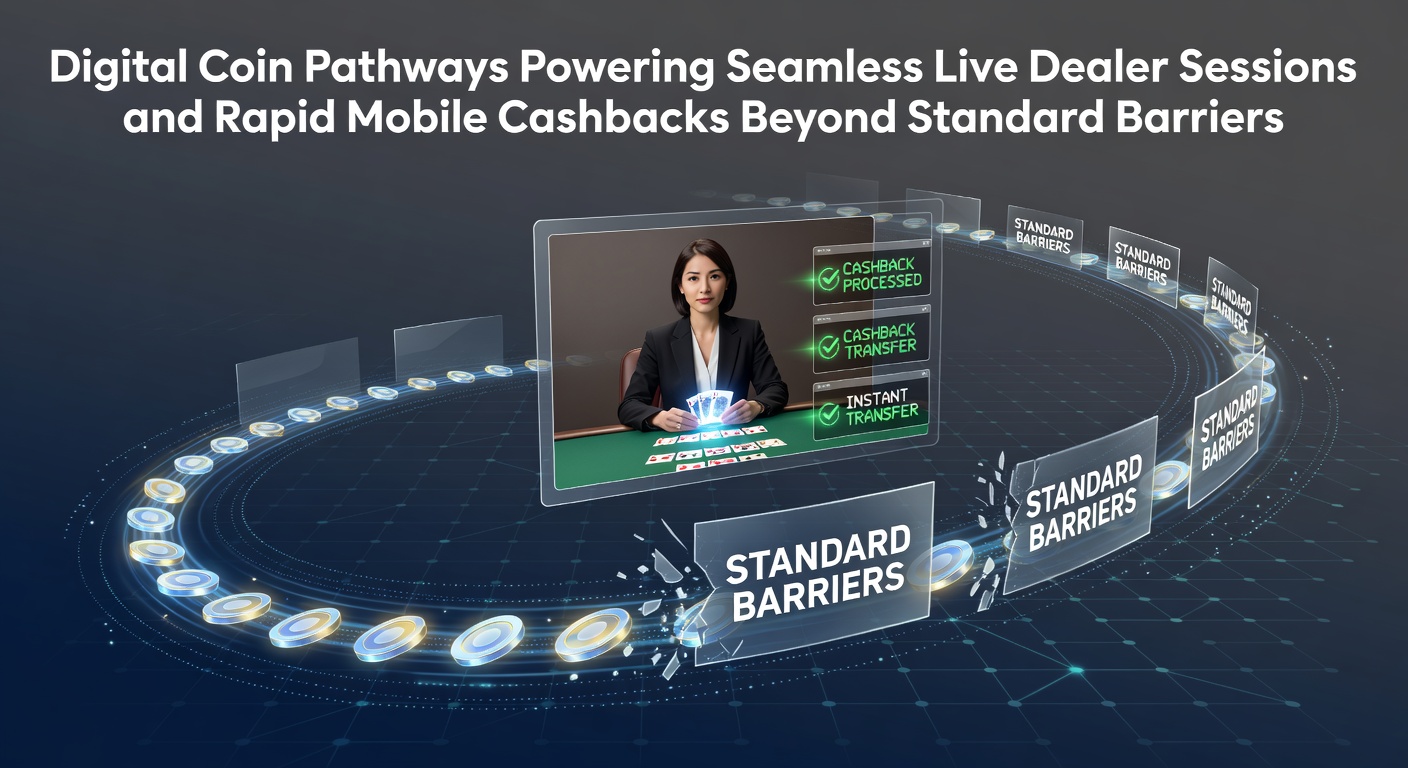
Digital asset systems have transformed how live dealer platforms operate by integrating wallet protocols directly with streaming interfaces, which allows transactions to settle in seconds rather than hours while mobile applications deliver cashback mechanisms that bypass standard verification delays. Observers note that these pathways rely on distributed ledger technology where each transfer records immutably across nodes, reducing the friction that once separated deposit actions from real-time table participation.
Core Mechanics Behind Crypto Integration
Stablecoins such as those pegged to major currencies facilitate live sessions because their value remains consistent during play, and blockchain confirmations occur through consensus algorithms that process blocks every few seconds. Players connect digital wallets to casino interfaces where smart contracts automatically handle stake placements and outcome resolutions, while mobile apps track these movements and trigger cashback credits based on predefined activity thresholds.
Transaction Speed and Settlement Data
Industry reports from the European Gaming and Betting Association show average confirmation times dropping below thirty seconds for many cryptocurrency networks in 2025, and this pace supports continuous dealer interactions without interruptions from pending approvals. Mobile cashback systems activate upon wager completion, pushing funds back to user wallets through the same ledger entries that recorded the original bets.
Network scalability improvements introduced in early 2026 allow higher throughput during peak hours, and developers have optimized layer-two solutions that bundle multiple micro-transactions into single ledger entries. Those who monitor these developments point out that such bundling keeps fees minimal even when thousands of live table actions occur simultaneously across global servers.
Mobile Platforms Extending Access Beyond Borders
Application developers embed wallet connectivity into native interfaces so users switch between dealer streams and account dashboards without leaving the session, while cashback calculations run in the background using on-chain data feeds. Geographic restrictions loosen when digital pathways replace traditional banking rails, since transfers depend on public keys rather than local financial institutions.
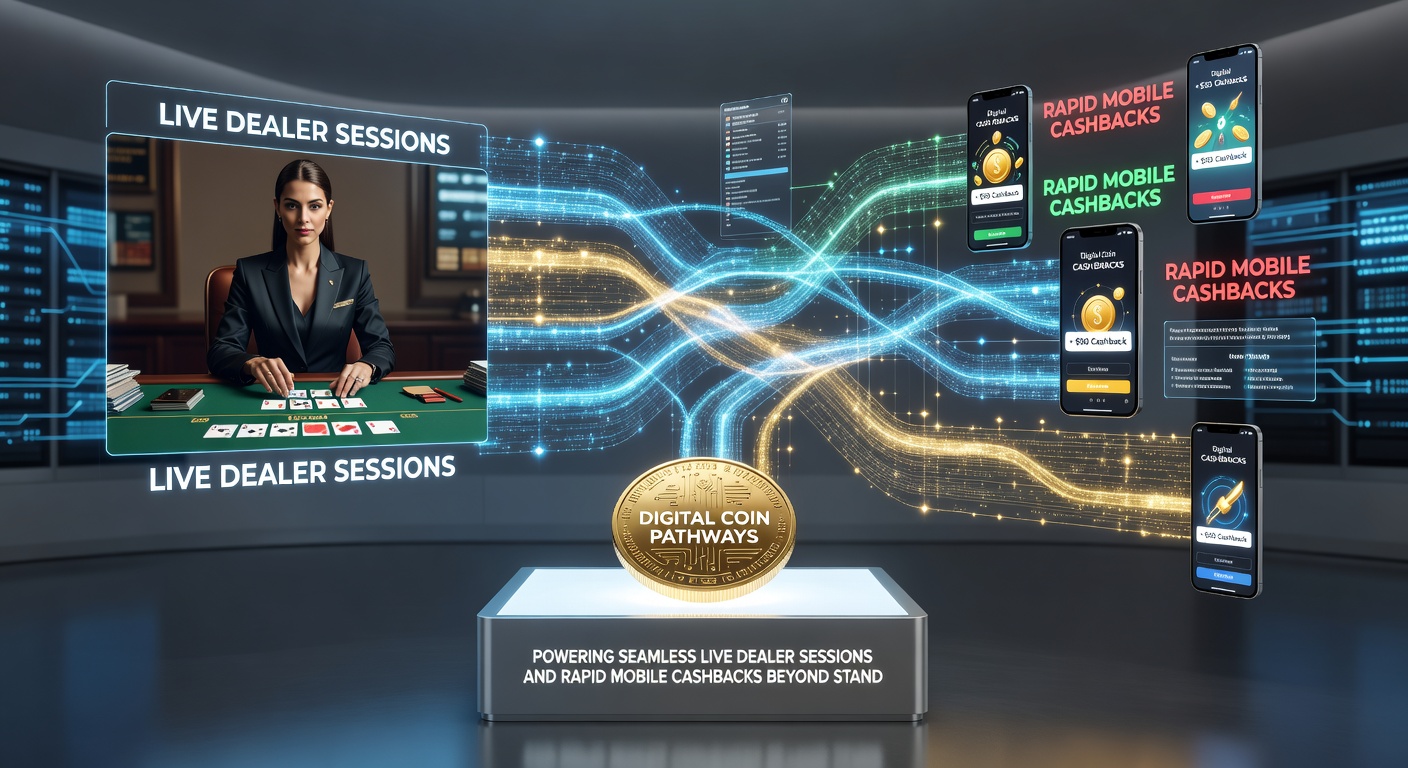
Research published by the University of Nevada, Reno gaming laboratory indicates that transaction finality rates for select proof-of-stake chains reached ninety-nine point eight percent during simulated high-volume tests conducted in March 2026. These results align with observed patterns where mobile users receive refunds within the same minute that qualifying bets resolve at live tables.
Security Protocols Supporting Continuous Play
Multi-signature wallet requirements and encrypted key exchanges protect session integrity, and regulatory frameworks in jurisdictions such as Malta require periodic audits of these cryptographic safeguards. Data from the Malta Gaming Authority confirms that licensed operators must maintain cold-storage reserves covering at least one hundred and fifty percent of active player balances, which adds another layer of assurance during rapid cashback cycles.
Encryption standards evolve alongside hardware updates in mobile devices, and newer chipsets include dedicated secure elements that store private keys offline until transaction signing occurs. This separation limits exposure during live dealer rounds where timing remains critical for maintaining immersion.
Interoperability Across Different Networks
Cross-chain bridges now connect major cryptocurrencies so players move assets between ecosystems without converting through centralized exchanges, and this fluidity supports cashback programs that accept multiple coin types. Protocol upgrades scheduled for May 2026 aim to standardize bridge security further, reducing the number of steps required when shifting funds from one ledger to another mid-session.
Live dealer providers incorporate these bridges into their backend systems, allowing seamless top-ups while tables remain active. Observers tracking adoption rates note that platforms supporting at least three major chains report higher session durations compared with single-currency options.
Conclusion
Digital coin pathways continue to reshape live dealer environments by merging ledger efficiency with mobile cashback delivery, and teh infrastructure supporting these functions expands through ongoing protocol refinements and regulatory oversight from diverse authorities. Figures from multiple sources illustrate consistent gains in transaction velocity and accessibility, while security measures adapt to match the pace of network growth.