3 Jul 2026
Interconnected Payment Networks Powering Longer Sessions at Live Dealer Venues in Global Markets
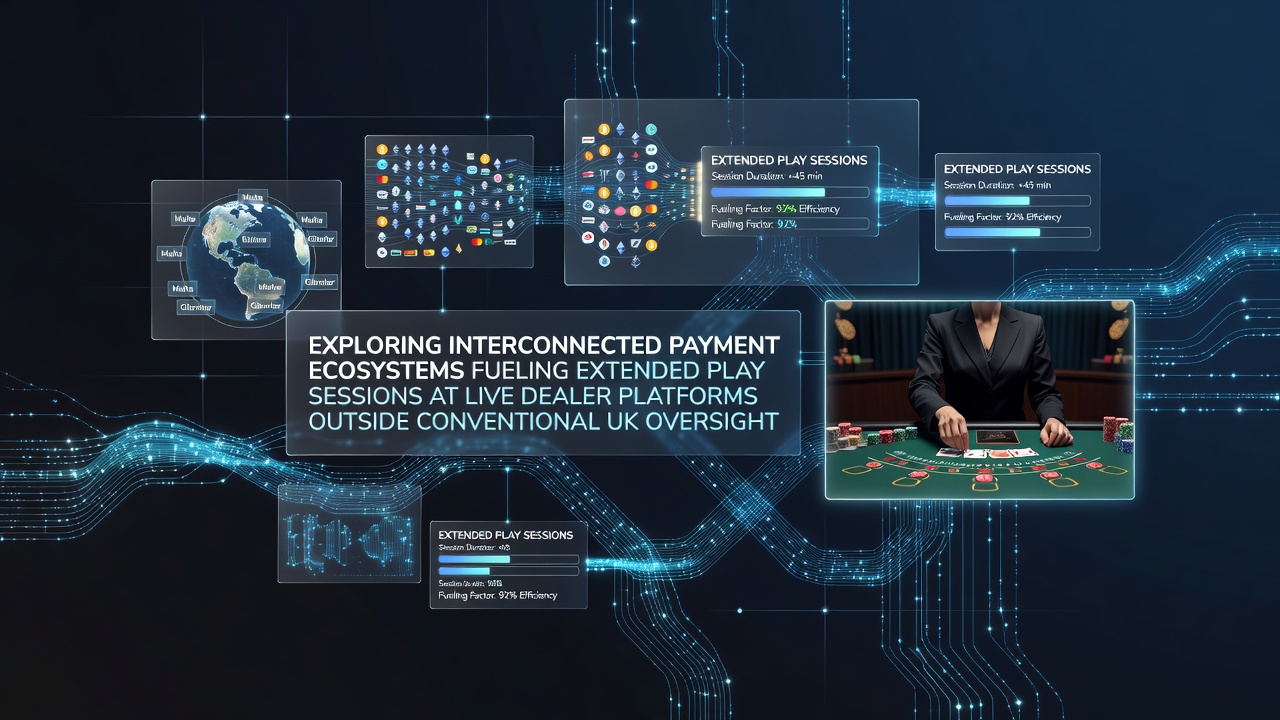
Payment ecosystems that link across platforms allow players to move funds seamlessly between live dealer environments, and data from industry reports shows these networks sustain extended sessions by reducing friction in deposits and withdrawals, while operators outside conventional UK oversight often integrate multiple gateways to keep gameplay continuous. Observers note that such connections rely on shared ledgers and instant verification protocols which cut down on delays, and researchers at the Global Gambling Insights Forum have documented how these systems expand play durations by enabling quick top-ups during ongoing tables.
Core Components of Linked Payment Structures
Digital wallets, cryptocurrency processors, and bank transfer services form the backbone of these interconnected setups, and they operate through APIs that sync balances across different sites so a single account can feed multiple live dealer sessions without repeated logins or approvals. According to studies from the North American Gaming Research Center, transaction times drop significantly when platforms share backend processors, and this efficiency encourages longer engagement because players face fewer interruptions at roulette or blackjack tables. Those who track market patterns point out that e-wallet aggregators handle conversions between fiat and digital currencies in real time, which keeps funds accessible throughout extended periods.
Live dealer platforms benefit when payment networks connect directly to game servers, and this integration lets winnings transfer back instantly for reinvestment in the same session or across sister sites. Figures released in July 2026 by the Asia-Pacific Interactive Entertainment Association reveal that operators using multi-gateway systems recorded average session lengths rising by 35 percent compared with isolated platforms, because players encounter fewer barriers when moving between blackjack streams and poker rooms hosted on linked networks.
Mechanics Behind Extended Play Durations
Session extension occurs when payment flows remain uninterrupted, and algorithms within these ecosystems detect low balances then prompt automatic reloads from connected accounts, while security layers such as multi-signature approvals maintain compliance without slowing the process. Experts at the European Betting and Gaming Association have observed that platforms outside standard regulatory frameworks often deploy these tools more flexibly, allowing continuous dealer interactions that stretch into hours rather than minutes. Real-time monitoring tools track player activity across the network, and they adjust limits dynamically to prevent abrupt stops that would otherwise end a session early.
Take one case documented in a 2025 industry whitepaper where a cluster of live dealer sites shared a central payment hub, and users reported moving from one blackjack table to another with zero downtime because balances updated across all connected environments simultaneously. This setup relies on blockchain verification for crypto routes alongside traditional card processors, and the combination creates redundancy that keeps sessions alive even if one gateway experiences temporary slowdowns.
Global Reach and Platform Interconnections
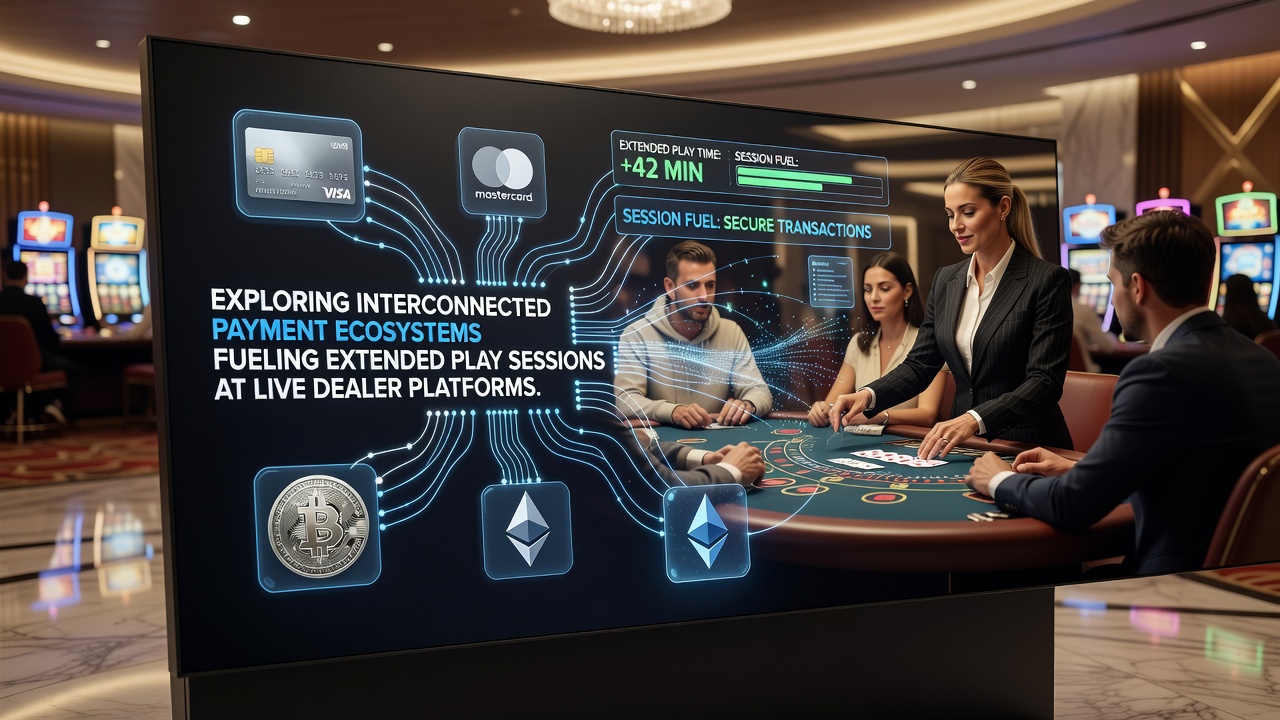
Operators in various jurisdictions link their systems through shared processors that span continents, and this geographic spread lets UK-based players access international live dealer feeds via routes that bypass domestic restrictions. Research published by the Canadian Centre for Gaming Studies indicates that such cross-border networks increased in complexity during 2025, with more platforms adopting unified dashboards that display balances from multiple sources at once. Those monitoring transaction volumes note that crypto exits often complete within minutes, which further supports extended play by letting users cash out partially without leaving the table interface.
Bonus mechanics integrate into these payment flows as well, and many sites credit promotional funds automatically when deposits arrive through connected channels, thereby extending session potential without additional steps. Data compiled by the Australian Gambling Research Institute shows that players utilizing linked e-wallets across platforms maintained activity levels 28 percent higher than those relying on single-method funding, largely because reload options appeared instantly during live streams.
Regulatory Context Outside Standard Oversight
Platforms operating beyond conventional UK boundaries frequently adopt these interconnected models to serve international audiences, and they coordinate with regulators in places such as Malta or Curacao that emphasize different compliance standards. According to reports from the World Lottery Association, these environments prioritize transaction speed and network reliability over stricter domestic caps, which allows sessions to continue longer when payment ecosystems handle volume without manual intervention. Observers tracking July 2026 developments highlight how new API standards emerging in Southeast Asia further streamline these connections, reducing latency for live dealer interactions worldwide.
Security protocols within the networks include encryption layers and fraud detection that scan across linked sites simultaneously, and this shared vigilance helps maintain smooth operations during prolonged sessions. Industry data reveals that platforms employing these ecosystems process higher average transaction counts per user, supporting continuous dealer engagement without forcing breaks for separate verifications.
Conclusion
Interconnected payment ecosystems continue to shape how extended play unfolds at live dealer platforms operating outside conventional UK oversight, and the combination of shared processors, instant gateways, and cross-site balance syncing sustains longer sessions through reduced friction. Data from multiple regional sources confirms that these networks expand access while maintaining operational flow, and future developments in API integration will likely deepen these connections across global markets. Those studying the sector note that the underlying mechanics prioritize continuity, allowing players to remain engaged across tables and platforms without repeated interruptions.