14 Jun 2026
Mapping Encryption Layers and RNG Systems Behind Seamless Global Mobile Gaming Access
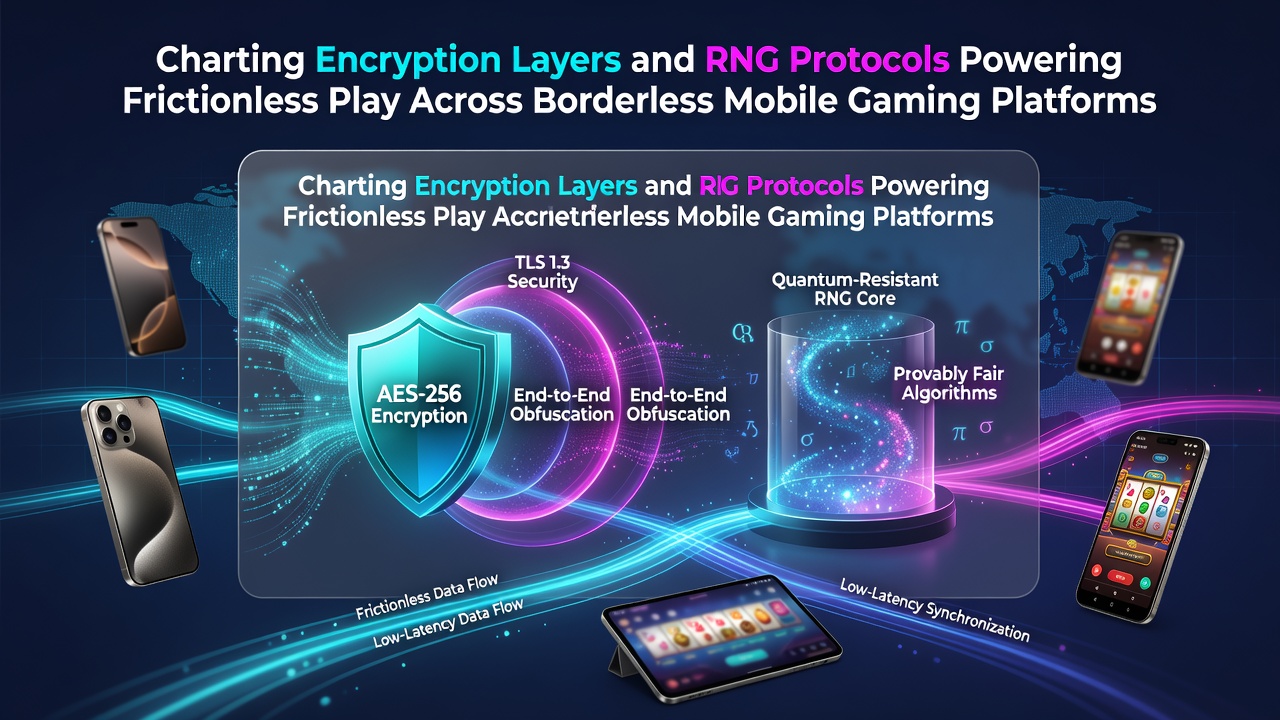
Encryption layers combined with certified RNG protocols form the foundation that allows mobile gaming platforms to operate across multiple jurisdictions without interruptions or security gaps. Researchers at various institutions have documented how these systems handle data transmission while maintaining fairness standards in real-time environments.
Core Encryption Structures in Platform Architecture
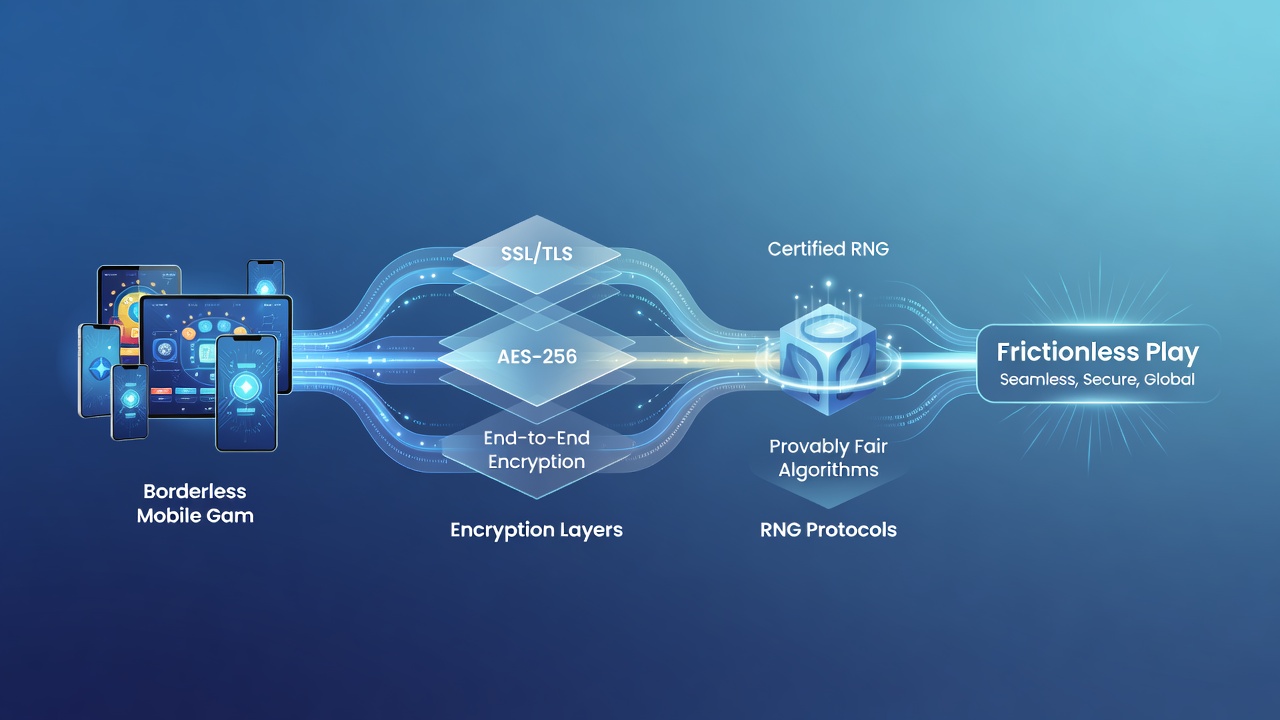
Multiple encryption layers operate simultaneously in modern mobile gaming setups. Transport layer security protocols such as TLS 1.3 encrypt data packets during transmission between user devices and central servers. Application-level encryption adds another barrier by securing in-game assets and user account details before they even reach the network stack. Observers note that AES-256 remains the standard symmetric cipher deployed across many platforms because it balances computational efficiency with resistance to known attack vectors.
Platforms often segment these layers so that payment processing uses separate key management from gameplay data streams. This separation reduces the impact if one segment encounters a breach attempt. Data from industry reports indicates that such segmentation appears in systems certified by testing labs in North America and Europe alike.
RNG Protocols Ensuring Outcome Integrity
Random number generation sits at the center of fair play claims across borderless platforms. Certified RNG implementations draw from hardware entropy sources rather than purely software-based pseudorandom sequences. These sources include thermal noise and quantum fluctuations captured through dedicated chips. Independent verification bodies then audit the output distributions against statistical benchmarks such as chi-square and runs tests.
Many systems employ a hybrid approach where initial seeds come from hardware while subsequent values undergo cryptographic hashing to prevent prediction. Those who've examined certification documents find that labs require millions of sample outputs before granting approval. The process repeats at regular intervals to confirm ongoing compliance.
How Layers Combine for Cross-Border Operations
Frictionless play emerges when encryption and RNG work together under consistent protocols. A player connecting from one region experiences the same security posture as someone in another because platforms apply uniform encryption suites globally. RNG results remain independent of location since the generation occurs on centralized servers that feed outcomes to distributed clients. This architecture supports continuous sessions even when users cross network boundaries or switch devices mid-play.
Additional safeguards include session tokens refreshed at short intervals and signed with platform-specific keys. Such measures limit replay attacks while preserving low latency. Studies from technical working groups show that these combined elements contribute to the stability reported by operators serving international audiences.
Certification Pathways and Standards Updates
Testing organizations evaluate both encryption implementations and RNG modules against published criteria. In the United States, labs accredited under GLI or similar frameworks conduct these reviews. European operators often reference standards developed through organizations focused on information security. A notable development scheduled for discussion in June 2026 involves proposed refinements to entropy measurement techniques that could affect how new RNG submissions are validated.
Platforms must demonstrate that encryption keys rotate according to defined schedules and that RNG output passes ongoing monitoring. Failure in either area triggers re-certification requirements. Records from multiple jurisdictions reveal that operators maintain detailed logs to satisfy these recurring audits.
Performance Metrics Across Networks
Latency measurements collected from live deployments indicate that well-implemented encryption adds minimal overhead when hardware acceleration is available on modern mobile processors. RNG calls typically complete within microseconds because optimized libraries handle the heavy computation. Aggregated figures reveal that platforms achieving sub-100 millisecond response times often cite integrated security layers as a contributing factor rather than a bottleneck.
Researchers tracking cross-border traffic patterns have observed consistent performance when platforms enforce uniform protocol stacks regardless of user geography. This consistency supports the operational model that lets users access the same game libraries from varied locations without reconfiguration.
Conclusion
Encryption layers and RNG protocols continue to underpin the technical capacity for mobile gaming platforms to function across borders. The documented practices around layered security and certified randomness provide measurable protections that operators rely upon when scaling internationally. Ongoing refinements to testing methodologies, including those slated for review in 2026, suggest further evolution in how these systems are validated and deployed.