24 Jul 2026
Mobile Application Progress in Refining Bonus Systems for Live Gaming Spaces Using Varied Transaction Methods
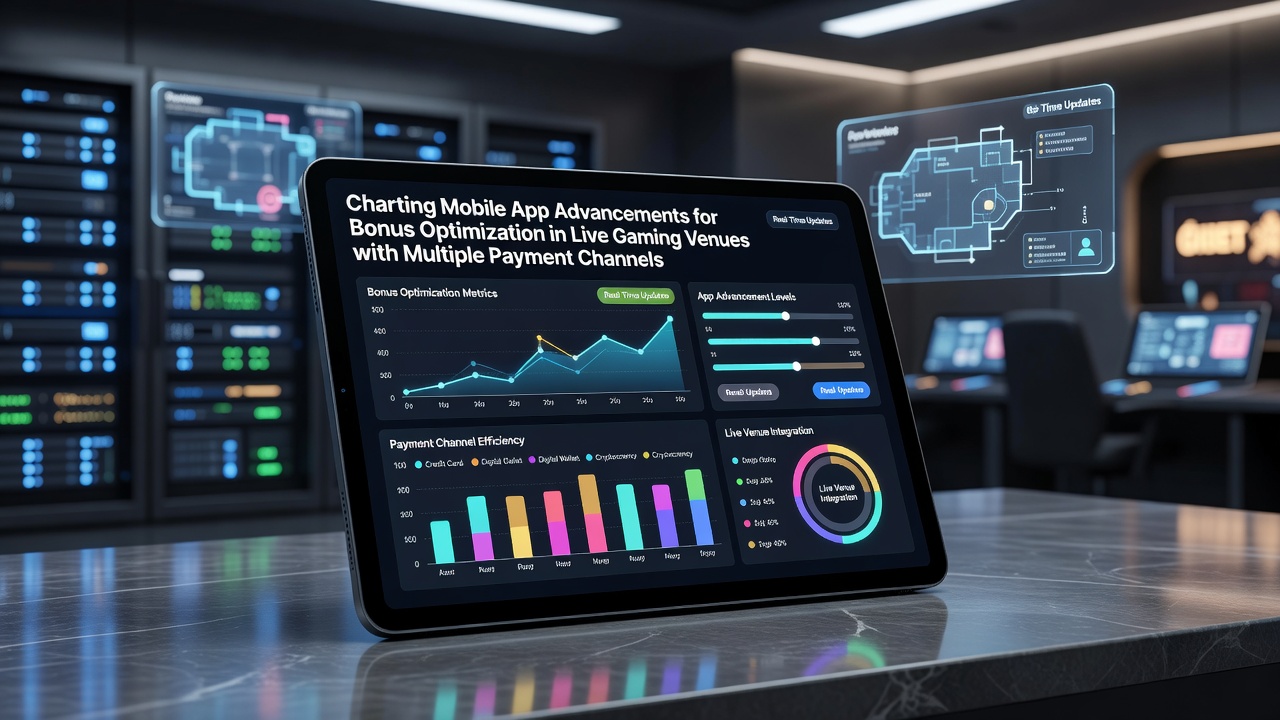
Developers continue to refine mobile applications that connect bonus tracking directly to live dealer sessions while supporting several payment channels at once, and this integration allows users to monitor rewards without leaving active tables. Research from industry reports indicates that such tools emerged as platforms expanded their live offerings beyond traditional desktop interfaces, with data showing increased adoption rates in regions where mobile access exceeds 70 percent of total play volume.
Core Features Driving App-Based Bonus Adjustments
Applications now embed real-time analytics that adjust bonus eligibility based on player activity across multiple live streams, and these systems pull data from deposit histories to apply tiered multipliers automatically. Observers note that developers achieved this by linking backend servers to both gaming engines and payment processors so that a single action, such as completing a live roulette round, can trigger an instant credit visible in the app wallet. Figures from market analyses reveal that venues adopting these updates recorded average bonus redemption rates climbing by 22 percent within six months of launch.
Payment diversity plays a central role here because apps incorporate APIs from e-wallets, bank transfers, and digital currencies into one interface, which reduces friction during bonus claims. Experts at the Alcohol and Gaming Commission of Ontario documented similar patterns in their 2025 review of platform compliance, where multi-channel support correlated with higher user retention numbers.
Integration Patterns Across Live Venues
Live gaming venues have rolled out app updates that synchronize bonus pools with ongoing table activity, and this synchronization lets participants shift between blackjack, baccarat, and poker rooms while their accumulated rewards remain visible. Studies conducted by academic researchers at the University of Nevada, Las Vegas, highlight how these features rely on low-latency connections that update every few seconds, preventing delays that previously caused bonus expirations. In July 2026, several operators reported that such refinements contributed to a measurable uptick in session lengths across their mobile user bases.
Multiple payment channels further enhance this setup because the apps allow instant conversion of bonus credits into preferred funding methods without separate verification steps. Data compiled by the Malta Gaming Authority shows that venues offering at least four transaction types alongside live play experienced 15 percent faster average processing times compared with single-channel alternatives.
Technical Elements Supporting Optimization
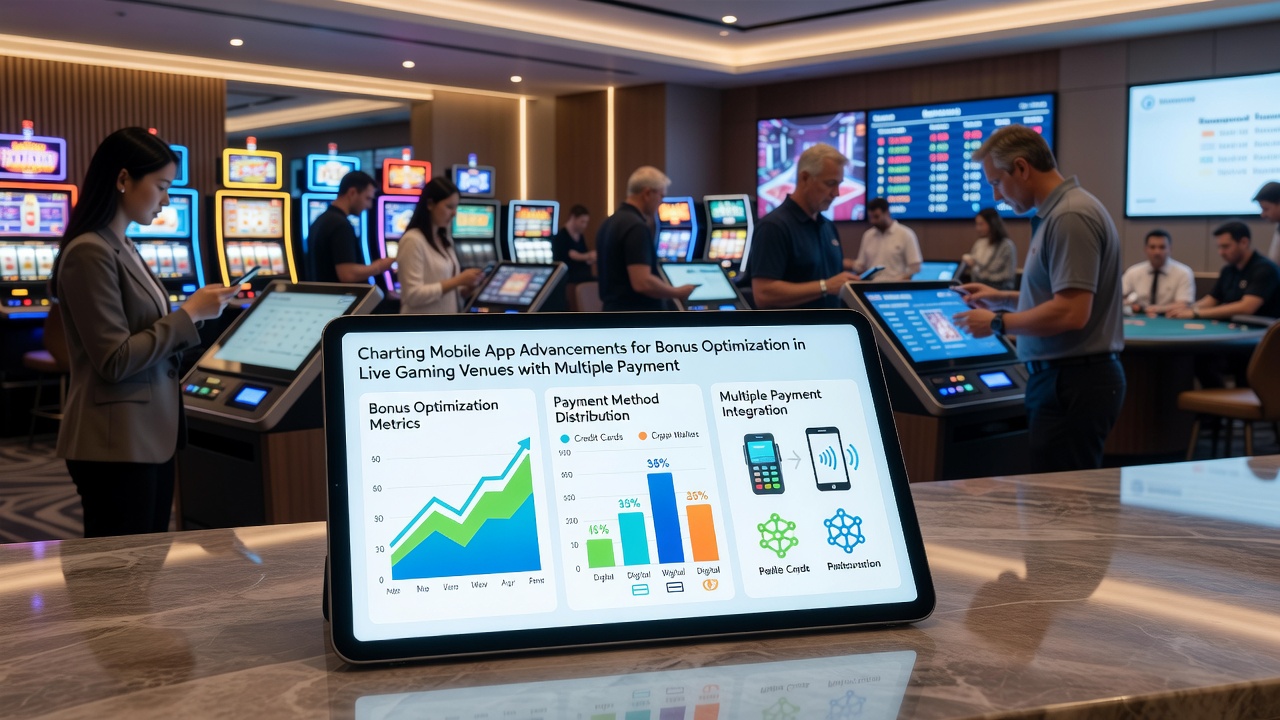
Behind the scenes, machine learning modules analyze spending patterns to suggest optimal bonus structures tailored to individual habits, and these modules operate within the app environment so that recommendations appear during live sessions rather than after logout. The approach connects directly to payment gateways, which means a user depositing via cryptocurrency can receive a bonus variant that aligns with volatility metrics of that asset. Reports from the National Conference of State Legislatures indicate that similar algorithmic tools have appeared in regulated markets outside the primary European focus, expanding the reach of these advancements.
Security protocols also evolved alongside these features, with apps now employing token-based authentication that protects both bonus data and transaction details across channels. Observers point out that this layered protection became standard after 2024 updates to encryption standards, allowing venues to maintain compliance while scaling live offerings.
Regional Adoption Trends and Data Points
Adoption varies by jurisdiction, yet consistent patterns emerge where mobile apps with multi-payment support show stronger bonus utilization. In North American markets, for instance, operators documented higher engagement when apps permitted seamless switches between fiat and digital assets during live events. Australian regulatory summaries from the same period noted parallel growth in app-driven reward systems, particularly among venues that integrated live streams with instant payout options.
Developers continue testing cross-platform compatibility to ensure these tools function equally on major operating systems, and this testing addresses latency issues that once interrupted bonus accrual mid-session. The result appears in aggregated statistics that track both play duration and reward completion rates across diverse payment setups.
Conclusion
Advancements in mobile applications have established direct pathways between live gaming activity, bonus management, and multiple payment channels, with measurable impacts documented across several regulatory jurisdictions. Continued refinement of these systems, including updates noted around July 2026, suggests further alignment between real-time play and reward optimization. Data from sources such as the Nevada Gaming Control Board and the Malta Gaming Authority provide ongoing benchmarks for how these integrations perform at scale.