7 Jun 2026
Tracing Real-Time Payment Pathways in Mobile Live Table Platforms for British Users
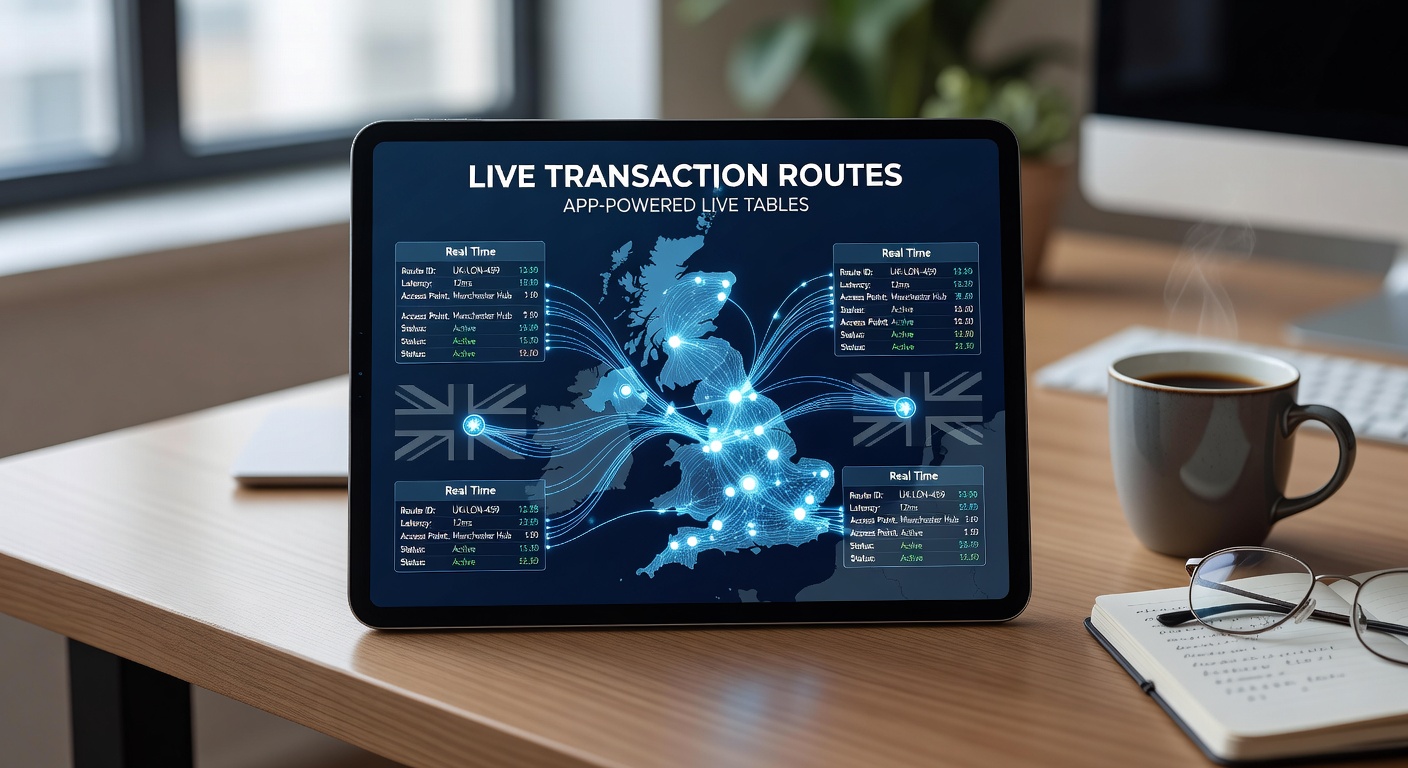
App-powered live tables connect players to real-time dealer streams through mobile interfaces that handle deposits and withdrawals via integrated payment processors, and British users often seek these systems for rapid entry into blackjack, roulette, and baccarat sessions. Data from industry reports indicate that transaction routes rely on API connections between casino apps, banking partners, and third-party gateways which process funds in seconds rather than minutes.
Mechanics Behind Fluid Transaction Routes
Payment flows begin when a user selects a deposit method inside the app, after which the system routes the request through encrypted channels to the chosen provider such as digital wallets or bank transfers. Studies from the New Jersey Division of Gaming Enforcement show that mobile platforms reduce latency by pre-authorizing accounts during login, allowing funds to appear instantly once confirmation arrives from the processor. And this setup avoids traditional banking delays because the app maintains direct links to e-wallet services that settle balances without intermediary holds.
Live table sessions update balances in real time as bets resolve, with the software pulling from the player's session wallet rather than requiring repeated external calls. Observers note that such designs emerged from advancements in cloud-based servers that synchronize dealer feeds with financial ledgers simultaneously, and British players gain access points that open within the same interface without switching applications. Research indicates these routes handle thousands of micro-transactions per minute during peak hours while maintaining compliance logs for each movement.
Instant Access Features in App Ecosystems
Users locate instant access points through in-app menus that display available payment options alongside live table thumbnails, and selection triggers a streamlined verification step that draws from stored device data. According to findings in the Australian Communications and Media Authority annual review, mobile platforms in regulated markets achieve deposit completion in under ten seconds when biometric authentication replaces manual entry. British participants often encounter features like one-tap top-ups that link directly to the ongoing game session, keeping players at the table without interruption.
Yet the architecture extends beyond deposits to include withdrawal pathways that mirror the same speed, routing approved amounts back through the original method or alternative channels selected within the app. Figures reveal that June 2026 saw several platform providers roll out enhanced routing protocols that incorporate regional banking standards, allowing smoother cross-border elements for users who maintain accounts across multiple jurisdictions. These updates built upon earlier integrations that already supported live dealer interactions without separate financial portals.
Technology Supporting Live Dealer Integration
Camera feeds and betting interfaces operate on separate data streams from the transaction layer, yet both sync through a central app engine that flags balance changes immediately after each hand or spin. Experts have observed that this separation prevents game slowdowns during high-volume payment activity, and developers achieve the effect by assigning dedicated servers to financial processing. People who've examined these systems note that push notifications alert users when routes complete, providing confirmation without leaving the live table view.

Security protocols wrap each route in multiple encryption layers that update dynamically, and this approach aligns with broader digital payment trends tracked across North American and European markets. The ball's in the developers' court when it comes to maintaining these standards as transaction volumes grow, but current implementations already demonstrate consistent performance metrics reported in technical white papers.
Patterns Observed Across Mobile Platforms
Take one developer team that mapped user journeys through app analytics, revealing that British players favor routes combining instant deposits with continued play on the same screen. Data shows average session lengths increase when payment friction drops below five seconds, and this correlation appears in aggregated logs from multiple operators. What's interesting is how these patterns hold steady even as new access points emerge through updated app versions released in mid-2026.
Additional elements include loyalty integrations that apply bonuses directly to the transaction route, crediting funds to the live table balance without manual claims. Researchers discovered that such mechanics rely on rule-based engines that trigger on deposit thresholds, and the resulting system keeps everything contained within the app environment. Those who've studied user behavior find that repeated access through these streamlined points builds familiarity with specific payment providers over time.
Conclusion
App-powered live tables continue to refine transaction routes that prioritize speed and continuity for British players, drawing on established payment technologies and real-time synchronization methods. Reports from diverse regulatory regions document ongoing improvements in these systems, particularly around the June 2026 period when enhanced protocols became more widely adopted. The result is a network of access points that connect funding mechanisms directly to live dealer environments without requiring external navigation.